Review: Negotiating Self-Story Around a Longgone Mother’s Return in Gabrielle Bates’s Judas Goat
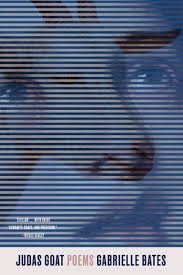
Judas Goat by Gabrielle Bates
“How do I grieve the loss of something that’s been returned to me?” asks the speaker in “Eastern Washington Diptych,” one of the pillar poems in Judas Goat, Gabrielle Bates’s astonishing poetry debut. Whereas there is no dearth in contemporary poetry debuts that revolve around a father’s absence—the powerful works of Ocean Vuong, Edgar Kunz, and Paul Tran come to mind—the fundamental absence haunting Judas Goat stands out: early on, in the poem, “Little Lamb,” the speaker reveals herself as a “soft daughter wobbling/ around the longgone/ space of a mother.”
With bewildering lucidity and unflinching observation, Bates explores how the injury of a mother’s early absence—despite a later return—inclines the speaker to be both continuously exposed to violence, and drawn to it. This is especially true in the context of intimate relationships.
